
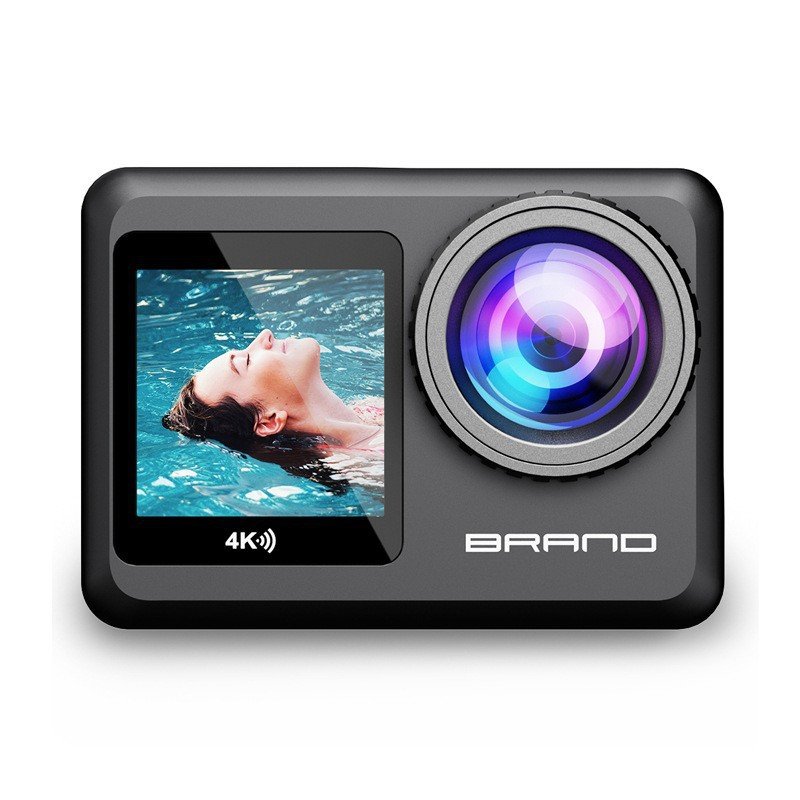
Multiple ways to play with sports cameras: unlocking new realms of creative shooting
Abstract
Sports cameras have occupied a place in the field of photography with their compactness, portability and powerful functions. This article explores the various ways to play with sports cameras, covering extreme sports, water sports, outdoor adventures, daily fitness, creative shooting, accessories expansion and post-editing. By introducing shooting techniques, creative camera settings, accessories and post-processing methods in different scenes in detail, it provides a wealth of references and inspiration for sports camera enthusiasts, helping them to give full play to the potential of sports cameras and shoot wonderful videos and photos.
- Introduction
Today, with the rapid development of photography technology, sports cameras have been loved by more and more people for their unique advantages. It is not only small and easy to carry, but also has excellent anti-shake, waterproof, drop-resistant and other performances, and can work stably in various harsh environments. Whether it is a professional photographer or an ordinary photography enthusiast, you can capture those wonderful and unforgettable moments in life through sports cameras. Now, let us explore the diverse ways to play with sports cameras.
II. Extreme sports shooting methods
(I) Skiing and skateboarding shooting
- Helmet perspective: Fix the sports camera on the helmet to record every exciting action during skiing or skateboarding from a first-person perspective. This perspective allows the audience to feel as if they are in the scene and feel the speed and passion of the sport. For example, GoPro sports cameras have become the first choice for many skiing and skateboarding enthusiasts due to their compactness, portability, waterproofness and drop resistance. During high-speed sliding, GoPro’s super shockproof ability and high definition can maintain the stability and clarity of the picture and capture every detail of the fast sliding.
- Skateboard bottom perspective: Use a special skateboard bracket to install the sports camera on the bottom of the skateboard to shoot a unique perspective. This perspective can show the friction between the skateboard and the ground, the sliding trajectory, etc., adding a different kind of fun to the video. During the shooting process, it is necessary to pay attention to choosing a suitable bracket to ensure that the camera is firmly installed to avoid falling during the movement.
(II) Surfing shooting
- Surfboard perspective: Fix the sports camera on the surfboard to record the wonderful moments of surfers rolling and surfing in the waves. GoPro’s waterproof function makes it the best partner for surfing enthusiasts. It can not only shoot on the water surface, but also dive underwater to record underwater creatures and scenes. When shooting, according to the size of the waves and the speed of the surfer, reasonably adjust the camera’s shooting parameters, such as frame rate, shutter speed, etc., to obtain clear and smooth pictures.
- Follow-up shooting: Use a long pole or drone to carry a sports camera to follow the surfer to shoot. This method can capture the surfer’s movements and expressions from different angles and show the dynamic beauty of surfing. When following the shooting, pay attention to maintaining an appropriate distance and speed from the surfer to avoid collision or loss of the shooting target.
(III) Mountain bike shooting
- Handlebar perspective: Install the sports camera on the handlebar of the mountain bike to record the scenery and bumpy sections during the ride. Riding on the rugged mountain road, GoPro can stably record every bump and leap, making the later playback full of excitement. In order to obtain better shooting effects, you can choose a sports camera with a wide-angle lens to expand the shooting field of view.
- Chest perspective: Use a chest strap to fix the action camera on the chest. This perspective is closer to the rider’s perspective and can truly show the feeling during riding. When shooting, pay attention to adjusting the camera angle to avoid too many handlebars or other interfering elements in the picture.
III. Water sports shooting gameplay
(I) Diving shooting
- Underwater perspective: The action camera has excellent waterproof performance and is an ideal choice for diving photography. With its high-definition underwater shooting capabilities, divers can not only record their diving process, but also capture the beautiful scenery of the seabed. When diving shooting, choose a suitable photo style, such as underwater mode, which can well capture the vividness of the underwater ecological scenery and automatically optimize the cold tones. In addition, you can also use the slow motion shooting function of the action camera to record the agile posture of underwater creatures.
- Creative composition: Try different composition methods, such as using underwater light, coral reefs and other elements as backgrounds to highlight divers or marine life. You can use push shots, pull shots and other camera techniques to increase the dynamics and fun of the video. For example, you can slowly advance from a distance to shoot the scene of a diver approaching a coral reef, or zoom out from the diver to show the magnificent scenery of the entire underwater world.
(II) Kayaking and paddling shooting
- Bow perspective: Fix the action camera on the bow of a kayak or paddling board to shoot the water flow, scenery, etc. during the forward movement. In fast movement, the action camera can clearly record the paddling action and show the passion of water sports. When shooting, pay attention to the waterproof and anti-shake performance of the camera to ensure that the picture is stable and clear.
- Selfie perspective: Use a selfie stick to carry an action camera to shoot your own paddling scene. You can interact with the surrounding environment to increase the fun and viewing value of the video. For example, say hello to your companions during paddling, show paddling skills, etc.
IV. Outdoor adventure shooting gameplay
(I) Hiking shooting
- Backpack perspective: Fix the action camera on the backpack to record the scenery along the way during hiking. When hiking in the mountains or forests, this method allows the audience to feel the perspective of the hiker and appreciate the beautiful natural scenery. At the same time, you can also use the time-lapse photography function of the action camera to shoot scenes such as misty peaks and flowing streams to create stunning time-lapse videos.
- Handheld shooting: Use a handheld action camera to capture interesting moments during hiking, such as discovering rare plants and encountering wild animals. When shooting handheld, be sure to keep the camera stable to avoid shaking. You can use the anti-shake function of the action camera or use a stabilizer to improve the shooting quality.
(II) Rock climbing shooting
- Rock climber’s perspective: Fix the action camera on the climber’s helmet or chest to record the challenges and breakthroughs during the rock climbing process. This perspective allows the audience to feel the climber’s tension and excitement, and becomes a witness to the climber’s personal progress. When shooting, make sure the camera is firmly installed to avoid falling during the climbing process.
- Side perspective: Use a tripod or other fixed equipment to set up a action camera on the side of the climbing route to shoot the climber’s overall movements and climbing process. The difficulty and skills of rock climbing can be shown from different angles, adding more information to the video.
V. Daily Fitness Shooting Methods
(I) Fitness Training Shooting
- Equipment Perspective: Fix the sports camera on the fitness equipment and record every movement of your training. By reviewing the video, you can analyze whether your movements are standard and make adjustments and improvements in time. For example, when practicing dumbbell bench press, fix the camera on the dumbbell rack, shoot your movements from the side, and observe the extension and contraction of your arms.
- Coach Perspective: If there is a fitness coach to guide, you can ask the coach to hold the sports camera and shoot the training process from different angles. This can show the training movements more comprehensively, and record the coach’s guidance and suggestions at the same time, which is convenient for future review.
(II) Running and Cycling Shooting
- Handlebar or Sportswear Perspective: During running or cycling, fix the sports camera on the handlebar or sportswear to record each challenging process. You can choose a sports camera with long battery life to ensure that the entire exercise process can be fully recorded. When shooting, pay attention to the angle and stability of the camera to avoid shaking or blocking the picture.
- First-person perspective: Use a head-mounted bracket to fix the sports camera on your head and record the feeling of running or cycling from a first-person perspective. This perspective allows the audience to experience the fun of sports more immersively, as if they are also running or cycling.
VI. Creative shooting gameplay
(I) Special perspective shooting
- Object perspective: Use your creativity to fix the sports camera on some special objects to shoot unique perspectives. For example, stick two magnets on the pen holder and use the magnetic function of the camera base to shoot a first-person perspective of a pen; or attach the camera to a kitchen knife to shoot a first-person perspective of the kitchen knife. This creative shooting can add fun and freshness to the video.
- Microscopic perspective: Use macro lens accessories to turn the sports camera into a miniature camera to shoot some wonderful pictures of the microscopic world. You can shoot the stamens of flowers, the details of insects, etc., to show the magic and beauty of nature.
(II) Application of camera techniques
- Push-pull shots: Push-pull shots are composition changes from far to near, making the screen’s framing range from large to small, highlighting the subject; pull-pull shots are the opposite, with the framing range changing from small to large, explaining the character’s environment. During the shooting process, the rational use of push-pull shots can increase the layering and dynamics of the video. For example, when shooting an outdoor concert, you can first use a pull-pull shot to show the atmosphere of the entire concert, and then use a push-pull shot to focus on the performers on the stage.
- Pan-tilt shots: Pan shots are shots in which the camera does not move, but uses a movable chassis to rotate the camera up and down, left and right to shoot, just like a person’s eyes patrolling the subject in a certain direction; pan shots are shots in which the camera moves horizontally left and right, similar to the state of people walking and looking in life. The use of pan-tilt shots can enable the audience to better understand the overall picture and details of the shooting scene, creating an immersive feeling.